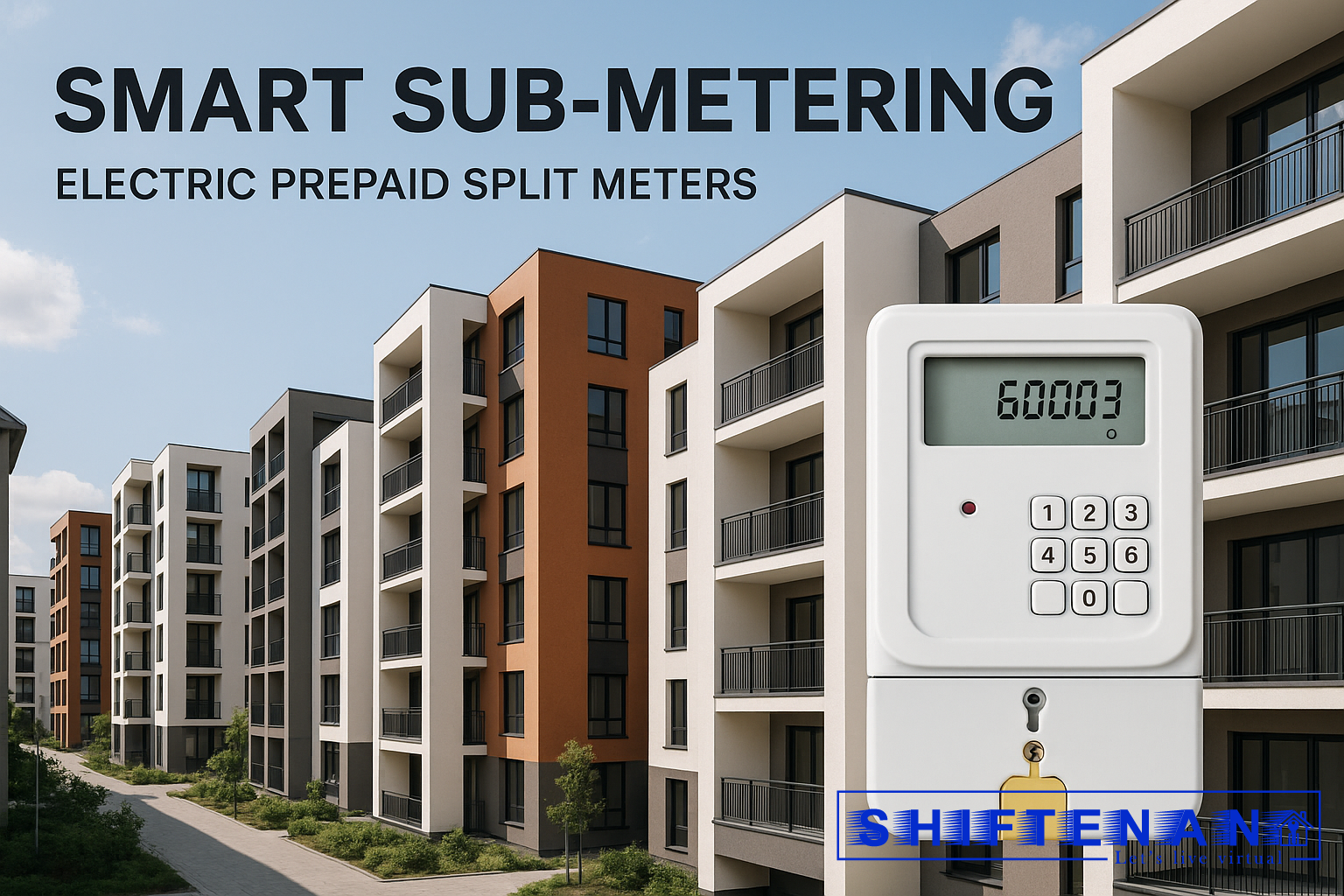
Sub-metering is becoming one of the fastest-growing opportunities in Kenya’s real estate and utilities sector. As electricity costs continue rising and landlords seek transparency in billing, more apartments, hostels, malls, mixed-use buildings, and gated communities are adopting sub-metering systems.
In simple terms, sub-metering means installing individual electricity meters for each tenant or unit within a property that already has a main utility meter from Kenya Power and Lighting Company (KPLC).
Instead of sharing one electricity bill across all tenants, each tenant pays only for the power they consume.
What is Sub-Metering?
Imagine a building with 20 apartments.
Without sub-metering:
The landlord receives one KPLC bill.
Electricity costs are divided equally or estimated.
Tenants complain about unfair charges.
With sub-metering:
Each apartment has its own meter.
Every tenant buys tokens or gets billed individually.
Consumption becomes transparent and fair.
This model is now common in:
Apartments
Student hostels
Airbnbs
Shopping malls
Office blocks
Warehouses
Mixed-use developments
Gated estates
According to EPRA and industry guidance, sub-metering is generally allowed in Kenya where it is used for internal cost recovery and not for unlicensed commercial electricity resale. (epra.go.ke)
Why Sub-Metering is Growing in Kenya
Several factors are driving adoption:
1. Rising Electricity Costs
Power bills have become a major operational cost for tenants and landlords.
People now want:
Accountability
Accurate billing
Energy tracking
Reduced wastage
2. Real Estate Expansion
Kenya’s apartment boom in areas like Nairobi, Kiambu, Mombasa, and Kisumu has created demand for automated utility management.
Modern tenants expect:
Token-based electricity
Smart meters
Mobile payment integration
Transparent utility systems
3. Hostels & Bedsitters
Many hostels and bedsitters consume electricity unevenly.
One tenant may:
Use a fridge
Cook electrically
Run heaters
Another may only charge a phone and use lights.
Sub-metering solves these disputes.
EPRA and Legal Considerations in Kenya
Energy and Petroleum Regulatory Authority (EPRA) regulates Kenya’s energy sector under the Energy Act 2019. (epra.go.ke)
The key legal position is:
Licensed entities distribute electricity commercially.
Internal sub-metering inside private developments is generally acceptable for cost recovery.
Property owners should avoid operating as unlicensed electricity resellers for profit.
This means:
A landlord can recover electricity costs from tenants.
But they should not behave like an independent utility company charging arbitrary tariffs.
Best practices include:
Using calibrated meters
Transparent billing
Matching KPLC tariff structures
Maintaining installation safety standards
Types of KPLC/Sub-Meters Used in Kenya
There are two major categories commonly used in Kenya:
1. Integrated Meters
Integrated meters combine:
The metering system
User interface
Token keypad/display
…into one physical device.
The tenant interacts directly with the same unit mounted on the wall.
Advantages
Easier installation
Lower setup cost
Simpler maintenance
Good for small apartments and bedsitters
Fewer components
Disadvantages
Easier to tamper with
Meter exposed to tenants
Security risks in shared buildings
Harder to centralize management
Physical access required during maintenance
Best For
Small rental units
Single homes
Rural rentals
Low-budget developments
2. Split Meters
Split meters separate the system into:
Main meter unit (secured outside)
Customer Interface Unit (CIU) inside the house
The actual meter is usually installed in a locked meter room or pole box.
The tenant only sees the CIU keypad/display.
Advantages
Better anti-tampering protection
More secure
Easier centralized management
Ideal for apartments and estates
Safer for landlords
Supports smart integrations
Disadvantages
Higher installation cost
More complex wiring
CIU communication issues can occur
Requires professional setup
Best For
Apartment blocks
Hostels
Malls
Modern real estate projects
Large gated communities
Industry sources note that split meters are increasingly preferred in multi-unit developments due to security and centralized management benefits. (UMS Kenya - Prepaid Meters)
Smart Metering vs Traditional Metering
Modern sub-metering businesses are now integrating:
Mobile apps
M-Pesa payments
Smart dashboards
Remote disconnect/reconnect
Automated billing
IoT monitoring
This creates recurring revenue opportunities.
Business Opportunities in Sub-Metering
1. Meter Installation Business
You can:
Supply meters
Install systems
Maintain systems
Offer support contracts
Clients include:
Landlords
Developers
SACCO housing projects
Schools
Churches
Commercial buildings
2. Utility Management SaaS
A major emerging opportunity is software.
You can build platforms for:
Token vending
Utility billing
Tenant management
Smart notifications
M-Pesa integration
Automated statements
This works especially well with:
Laravel
IoT integrations
Smart gateways
Mobile apps
3. Revenue Sharing Models
Some companies install systems at low upfront cost and earn from:
Token commissions
Service fees
Maintenance subscriptions
Platform charges
Example Real Estate Use Cases
Apartment Building
A landlord with 50 units:
Eliminates billing disputes
Reduces unpaid electricity bills
Transfers usage responsibility to tenants
Student Hostel
Students buy tokens individually instead of sharing utility bills.
Airbnb
Hosts track electricity consumption per stay.
Shopping Mall
Each shop pays independently.
Challenges in the Kenyan Market
1. Meter Tampering
Some tenants bypass meters illegally.
Split systems help reduce this problem.
2. Poor Installations
Cheap wiring causes:
Fire risks
Wrong readings
Voltage drops
Always use licensed electricians.
3. Tenant Complaints
Common complaints include:
Fast unit depletion
Token loading issues
CIU communication failures
These are frequently discussed by Kenyan consumers online. (Reddit)
How to Venture Into the Business
Step 1: Learn Electrical Basics
Understand:
Single phase systems
Three phase systems
Meter wiring
Load balancing
Safety standards
Step 2: Partner With Electricians
Work with:
EPRA-licensed electricians
Contractors
Developers
Step 3: Start Small
Begin with:
Small apartments
Bedsitters
Hostels
Then scale gradually.
Step 4: Build Software Integration
The future is in:
Smart billing
Mobile payments
Real-time monitoring
IoT dashboards
This is where recurring income grows.
Step 5: Target Real Estate Developers
Approach:
Apartment developers
SACCO housing projects
Student housing investors
Mall owners
Most new developments already expect utility automation.
Future of Sub-Metering in Kenya
Kenya is moving toward:
Smart cities
Smart buildings
Energy efficiency
Digital utility management
EPRA continues developing broader energy regulations and modernization frameworks for the electricity sector.
As electricity costs rise, sub-metering will likely become standard in modern real estate developments.
For technology companies, electricians, and real estate entrepreneurs, this sector still has significant room for growth.